Wednesday, Nov. 7, 2012 | 12:12 p.m.
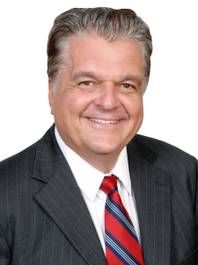
Steve Sisolak
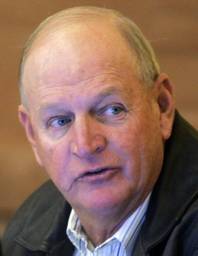
Tom Collins
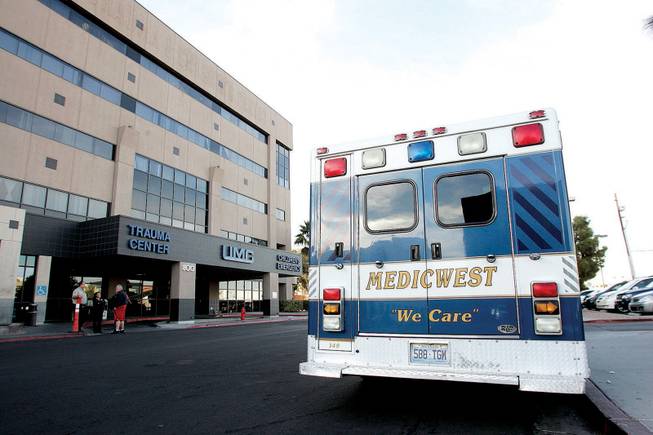
Clark County commissioners are tired of funding University Medical Center without help from other local governments that use the hospital’s services but provide none of the money to support them.
At their meeting Wednesday, commissioners were discussing the funding in light of a bill draft that will ask for a change in how consolidated taxes are distributed from Carson City to local governments. The bill will be presented to the Legislature next year. But the formula being proposed doesn't take into account how the burden Clark County taxpayers shoulder for not only their benefit, but to the benefit of taxpayers from other local municipalities.
"We talk about it lightly" but never get down to it, Commissioner Steve Sisolak said.
He suggested Clark County consider more serious talk about creating a hospital district so the burden of the public hospital, UMC, can be shared by more than just Clark County taxpayers.
University Medical Center operates at annual loss of about $75 million, despite the fact that Clark County puts about $150 million into it annually.
Commissioner Lawrence Weekly agrees with Sisolak on UMC and wants more analysis of who uses the hospital’s services.
"They come from all over the valley," he said.
Not only that, but tourists also use UMC. Tourists should share in the cost of UMC, the argument goes.
Chimed in Commissioner Tom Collins, "People don't want to pay for a hospital, they just want to use it."
Weekly asked that an analysis be considered as an item for a future County Commission meeting.
Commissioner Chris Giunchigliani says other local governments in Clark County say, "Oh, we're already paying.
"But no, they're not."
She also asked for a study to see where UMC patients are coming from, to investigate more thoroughly the idea of creating a hospital district.

Join the Discussion:
Check this out for a full explanation of our conversion to the LiveFyre commenting system and instructions on how to sign up for an account.
Full comments policy