Courtesy
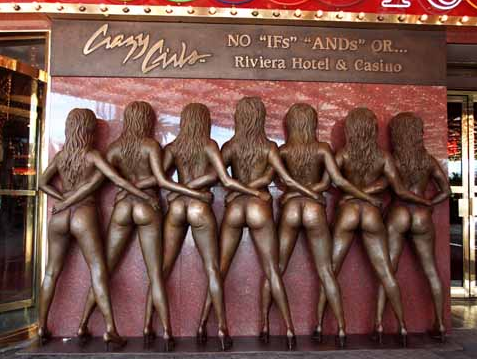
The “Crazy Girls” bronze statue at the Riviera. Tourists have been known to give the statue a rub for good luck.
Friday, Jan. 13, 2012 | 2 a.m.
Don't worry: It may be Friday the 13th, but Las Vegas is a lucky place.
If you're still feeling a little bit of triskaidekaphobia – fear of the number 13 – we've built a little guide for you on how to find some good luck, plus a few reminders of the extra steps casinos take to keep you feeling the good fortunes.
Forget the rabbits' feet, horseshoes and wishbones; here are Las Vegas' lucky charms:
-
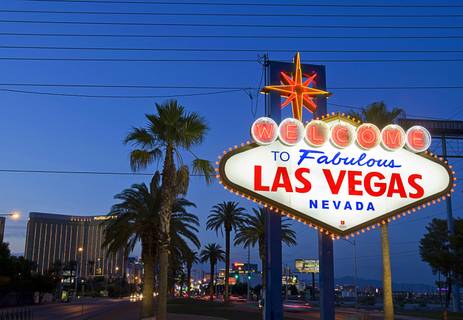
Photo by Steve MarcusWelcome sign
It might be the most iconic symbol of Las Vegas, but it also has some good luck charms built in. Every piece of the famous "Welcome to Fabulous Las Vegas" sign was carefully chosen for a reason, the sign's designer, Betty Willis, said. The star on top is for happiness, and "the seven silver dollars are lucky for Las Vegas," she said.
-
Hey Reb statue
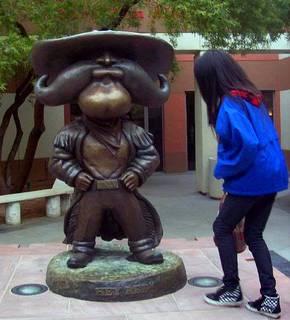
Not all luck is related to gaming. Students at UNLV sometimes need good luck for passing tests or beating UNR at the basketball game. That's where the statue of the school mascot, Hey Reb, comes in. Located in front of the alumni center, students have been known to rub the statue's mustache when they need a good fortune.
-
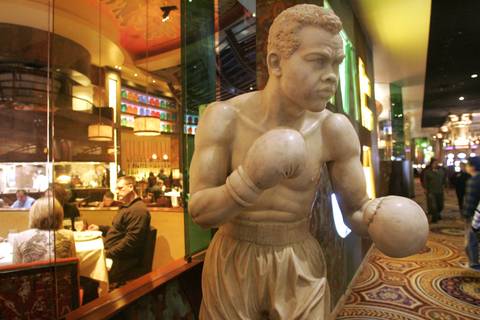
Photo by Sam MorrisCaesars Palace statues
There must be something lucky with rubbing statues. Gamblers at Caesars Palace have four favorite spots to rub: Julius Caesar's finger in the main entrance, Joe Louis' glove across from the sports book, the Cleopatra statue outside Cleopatra's Barge and the big toe of the replica of Michelangelo's David. It can also be lucky if one of the costumed actors portraying Caesars or Cleopatra walks past your slot machine.
-
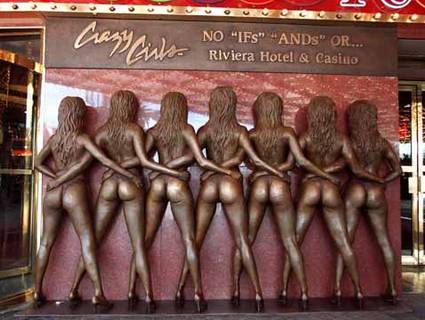
/Courtesy'Crazy Girls'
Here's another lucky place to rub, and one that might be a little more attractive than someone's big toe. Tourists have been known to shine the bronze butts of some of the Rivera's "Crazy Girls" before they enter the casino. Maybe wishing for good luck is just a good excuse.
-
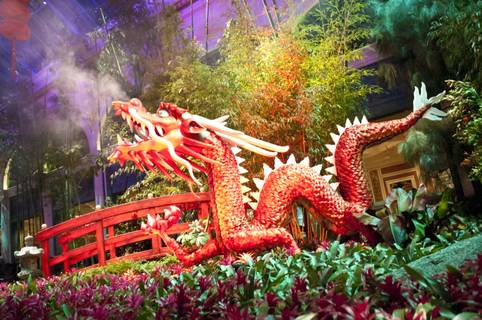
Photo by Christopher DeVargasBellagio Conservatory
This is actually a good time of year for a Friday the 13th. Chinese New Years is just 10 days away, and Las Vegas has rolled out the red carpet and lots of special decorations for Asian guests. The best place to see the decorations is probably the Bellagio Conservatory, which is filled with lucky symbols, including giant gold coins, a red pearl and four dings – ancestral vessels to protect against bad fortune. For extra luck, throw some coins in the dings.
-
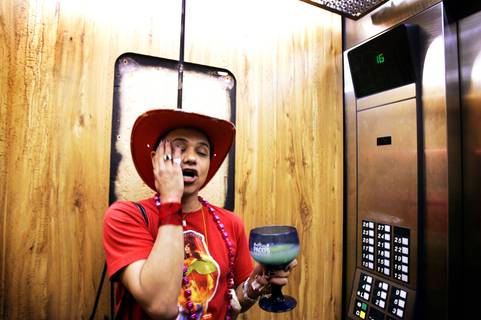
Photo by Leila Navidi10 … 11 … 12 … 14 … 15
This is more about avoiding bad luck. Most casinos, and many other buildings across the country for that matter, don't have a 13th floor. Well, technically they do, it just isn't labeled as such. Some casinos, especially in Macau, also avoid the number four (including anything in the 40s), since four is bad luck to the Chinese.
-
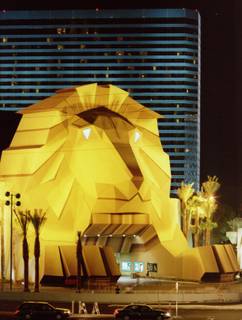
/Sun File PhotoThe lion's mouth
The old MGM Grand entrance was in the mouth of a giant lion. But that created a problem: "To Asian gamblers in particular, it's unlucky to go into a lions mouth, which means of course, that it was very difficult to get Asians into the MGM casino when it opened," historian Michael Green said. MGM changed the entrance, so there's no need to avoid the MGM Grand today.








Join the Discussion:
Check this out for a full explanation of our conversion to the LiveFyre commenting system and instructions on how to sign up for an account.
Full comments policy